

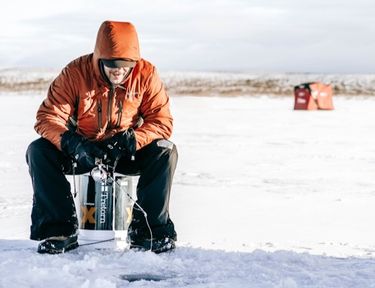
How to Find Fish Under the Ice: A Simple Guide for Ice Anglers
Ice fishing is a fun winter activity that challenges anglers to catch fish under a layer of ice. Unlike open water fishing, where you can easily see the fish or use a boat to cover large areas, ice fishing requires different skills and tools. In this simple guide, we'll show you how to find fish under the ice. Whether you are new to ice fishing or have been doing it for years, this guide will help you catch more fish.
The Challenge of Finding Fish Under the Ice
Ice fishing is hard because the ice blocks your view of the water below. You can’t just look at the surface like you can in summer fishing. Fish also behave differently in winter. They move slower and are found in certain areas. Finding them can be tough, but knowing where to look and having the right tools can help a lot.
If you are new to ice fishing, check out our guide on what you need to start ice fishing for essential gear to get started.
Ice Fishing Basics
Before we get into finding fish, it’s important to know a few basics:
- Fish Behavior: Fish move to deeper areas as the water cools. They also gather near places where there is food or shelter.
- Fish Species: Different fish like different places. For example, walleyes often like deep water, while panfish stay near weeds.
- Time of Day: Fish are often more active at dawn and dusk, but some fish, like perch, bite during the day.
- Weather: Things like wind, pressure, and sunlight affect where fish go.
Knowing these basics will help you choose where and when to fish. Learn more about how fish finders can help you understand fish behavior better.
Tools You Need to Find Fish
To find fish under the ice, you'll need the right tools. Here are the most important ones:
- Ice Auger: This tool helps you drill holes in the ice. You can get a manual, gas-powered, or electric auger, depending on what you like.
- Fish Finder or Flasher: These electronic tools use sonar to show you what's under the ice, including fish and underwater structures.
- Lake Maps: Maps of the lake can show you where the lake gets deeper or where there are underwater features that fish like.
- GPS: A GPS helps you mark good spots and safely find your way back.
- Ice Scoop: This tool clears slush and ice chips from your holes to keep them open.
- Portable Shelter: This isn't needed to find fish, but it can make your fishing trip more comfortable.
Using the right gear will help you enjoy your time on the ice and catch more fish.
Using Lake Maps and Underwater Structures
A great way to start is by using lake maps to find underwater features. Look for:
- Drop-offs and Points: These places often have fish, especially during winter.
- Weed Beds: Even in winter, fish like to stay near weeds.
- Current Areas: Fish like areas where there is moving water, such as near a creek or small inlet.
Studying these maps before you go out will save you time and help you focus on areas with the best chance of fish.
Finding the Best Fishing Spots
Once you know how to read lake maps, here’s where to focus your efforts:
- Transition Zones: These are areas where the bottom changes from one type to another, like from sand to rocks. Fish like these spots.
- Underwater Points and Islands: Fish often hide near these raised areas.
- Deep Holes: These spots hold fish, especially late in the season.
- Weed Edges: Fish like to stay near the edge of weeds, where it’s not too deep.
Fish often group together in winter. If you find one, there are usually many more nearby. So, when you find a good spot, stick around and keep fishing.
Using Fish Finders and Flashers
Fish finders and flashers are great tools for ice fishing. Here’s how to use them:
- Learn the Display: These tools show you the depth of the water, the bottom type, and fish.
- Scan the Area: Before drilling, use your fish finder to check the area for fish.
- Watch the Fish: Once you drill a hole, use the device to see how fish react to your bait.
- Identify Structure: These devices can also show you underwater features that may not be on a map.
Fish finders like CanFish CF1 and flashers are excellent tools that can greatly improve your ice fishing experience. The CanFish Chasing Canfish CF1 Underwater Fishing Camera is an excellent choice. This camera gives you a real-time view of what's happening under the ice, helping you see fish, structures, and even your bait's movement. With its high-definition camera, it's like having a personal guide to the underwater world. Plus, the CF1 kit is easy to use and portable, making it perfect for ice fishing trips.
But remember, they are just tools. Your knowledge of fish behavior is just as important.
Drilling Holes in the Right Spots
Drilling holes in the ice is more than just making space to fish. Here are some tips:
- Start in a Pattern: Drill holes in a grid or zigzag pattern to check different depths.
- Focus on Transition Zones: Drill along areas where the bottom type changes.
- Drill Multiple Holes: If one hole doesn’t work, move to the next quickly.
- Consider Wind: Drill holes facing into the wind, so fish can follow the path you create.
- Don’t Overcrowd: Avoid drilling too many holes too close together. It can scare the fish.
Every hole you drill can help you learn more about where the fish are.
How Ice Conditions Affect Fish
The ice and weather affect where fish go. Here are some things to consider:
- Ice Thickness: At the start of winter, fish are usually in shallow water. As the ice thickens, fish move to deeper areas.
- Snow on Ice: Snow blocks sunlight and can affect where fish gather.
- Pressure Cracks: These areas can have more oxygen, so fish might be nearby.
- Water Clarity: In clear water, fish can be spread out. In murky water, they gather in fewer spots.
Understanding these conditions will help you predict where fish might be.
Changing Your Fishing Style During the Season
Ice fishing changes as the season moves on. Here’s how to adapt:
- Early Ice: Fish stay near shallow areas. Look for areas with weeds or food.
- Mid-Winter: Fish move to deeper areas. Focus on drop-offs and deep holes.
- Late Ice: Fish may return to shallow water as the weather warms.
Be ready to adjust your techniques. Change your bait size or presentation, depending on the time of day and the fish you are targeting.
Ice Fishing Safety Tips
Safety is always the most important thing. Follow these tips:
- Check Ice Thickness: Always check the ice before you go out. 4 inches of clear ice is safe for walking.
- Bring Ice Picks: Keep ice picks with you in case you fall in.
- Go with a Buddy: Never fish alone. Have someone with you for safety.
- Tell Someone Your Plan: Let someone know where you are and when you plan to return.
- Dress Warmly: Wear layers to stay warm and dry.
- Carry Safety Gear: Bring a rope, whistle, and first aid kit.
No fish is worth risking your safety. Always prioritize safety when ice fishing.
Conclusion: Finding Fish Under the Ice
Finding fish under the ice takes time and practice. By learning about fish behavior, using the right tools, and adapting to changing conditions, you can increase your chances of success. Remember, each ice fishing trip is a chance to learn and improve your skills.
Whether you are using technology like fish finders, studying lake maps, or simply relying on your instincts, ice fishing offers an exciting challenge. Stay safe, be patient, and enjoy the experience of fishing through the ice.