

How to Find Freshwater Fish: Expert Tips & Best Fish Finder for Lakes
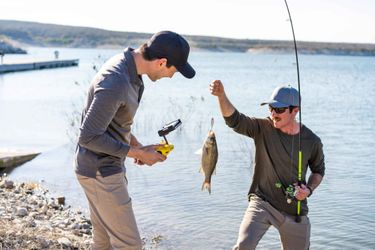
I remember my first freshwater fishing trip. I spent hours casting without a single bite, feeling frustrated and confused. Then, I learned about fish behavior and how to read the water, and suddenly, my luck changed. Finding freshwater fish isn’t just about luck—it’s a combination of understanding fish habits, recognizing environmental signs, and using the best fish finder technology. This guide will walk you through expert techniques to help you locate fish more efficiently and introduce the Canfish F1 Pro, an advanced fish finder drone with a real-time underwater camera that can revolutionize your fishing experience.
What Are the Best Ways to Find Freshwater Fish?
To catch fish successfully, you need to know where they like to hide. Different freshwater species prefer different habitats depending on temperature, cover, and food sources. Here are some common species and where to find them:
- Largemouth Bass: Thrive in warm (68–77°F / 20–25°C), shallow waters near submerged logs, weed beds, and docks.
- Smallmouth Bass: Prefer cooler, rocky areas in rivers and deep lakes, often around ledges and drop-offs.
- Trout: Found in clear, fast-moving streams and cold, deep lakes where water stays below 65°F.
- Catfish: Like murky, slow-moving water, often near deep holes, sunken debris, and river bends.
- Pike: Ambush predators hiding in weedy areas of lakes and slow rivers, waiting to strike prey.
Knowing these preferences helps you choose the right locations to cast your line and improve your freshwater fishing success.
How to Read the Water for Fishing Success
Observing water characteristics can give valuable clues about fish locations. Here’s what to watch for:
- Surface Activity: If you see fish jumping, ripples, or baitfish scattering, it’s a sign that predatory fish are nearby.
- Bird Behavior: Seagulls diving into the water or herons stalking the shoreline often indicate fish schools below.
- Water Depth and Structures: Look for underwater features like sunken logs, weed beds, rocky outcrops, and drop-offs. Fish use these as shelter and hunting grounds.
- Water Clarity and Color: Tannin-stained or murky water is ideal for catfish, while trout prefer clear water. Sudden color changes often mark depth shifts where fish gather.
- Insect Activity: Insect swarms over the water suggest baitfish presence, which in turn attracts larger fish.
How Do Seasons Affect Freshwater Fishing?
Fish behavior changes with the seasons, and adapting your strategy accordingly can significantly improve your fishing success.
Spring Fishing Tips: Fish move into shallow waters to spawn. Look for bass near submerged vegetation in bays and coves, trout in cooler stream areas, and catfish in warming shallows.
Read for more spring fishing tips here!
Summer Fishing Strategies: Fish often retreat to deeper, cooler waters during midday heat but remain active near structures providing shade, such as docks and submerged trees. Fishing at dawn and dusk is most productive.
Fall Fishing Techniques: Fish become aggressive as they prepare for winter, making them easier to find. Target areas rich in food sources, such as weed beds, rocky points, and baitfish schools.
Winter Fishing Methods: Fish are less active and move to deeper, more stable thermal zones. Use slower retrieval techniques and downsize your lures for better results.
What Environmental Factors Influence Fish Location?
Several environmental changes affect fish movement and feeding habits. Understanding these factors will help you adjust your approach:
Weather Patterns: Fish often bite more before a storm when the barometric pressure drops. After a cold front, they become sluggish and move deeper.
Wind and Currents: Wind pushes baitfish to one side of a lake, attracting predators. Fish tend to face into currents, making casting upstream a smart tactic.
Water Temperature Variations: Different species have temperature preferences. Bass are most active in warm water, while trout thrive in colder temperatures.
Light Conditions & Best Fishing Times: Fish are more active during dawn and dusk when light is dim, reducing their visibility to predators.
How Can a Fish Finder Help You Locate Fish Faster?
While traditional fishing techniques remain valuable, modern technology has transformed freshwater fishing. Fish finders use sonar to locate fish and underwater structures, but advanced tools like the Canfish F1 Pro take it a step further.
The Canfish F1 Pro is the best fish finder for lakes and rivers, equipped with a real-time underwater camera. Here’s how it improves your fishing game:
- Live Underwater Viewing: Unlike standard sonar, this lets you see fish in real time on your smartphone.
- 360-Degree Rotation: Scan a wide area without needing to move your boat.
- Remote Operation: Control the drone wirelessly, perfect for scanning large water areas like lake centers or deep holes.
- Perfect for Any Skill Level: Whether you're a beginner or experienced angler, the Canfish F1 Pro provides an edge in locating fish efficiently.
Unlike traditional fish finders, which rely on sonar signals, the Canfish F1 Pro allows you to visually confirm fish presence, structure types, and even see how fish react to lures. This is particularly useful in low-visibility waters where standard sonar might be less effective.
How to Use the Canfish F1 Pro for Maximum Fishing Success
Scout Hard-to-Reach Areas: Send the drone into deep or weedy sections of lakes where fish often hide.
Check for Active Fish: Use live footage to spot movement rather than relying on sonar blips.
Analyze Fish Behavior: Observe how fish react to different baits and adjust your strategy accordingly.
Final Thoughts: Improve Your Freshwater Fishing with Technology
Fishing isn’t just about casting and hoping for the best—it’s about making informed decisions based on fish behavior, environmental clues, and advanced fish finder technology. Whether you’re fishing a quiet riverbank or exploring deep lake waters, understanding these principles can drastically improve your success.
Imagine being able to see exactly where the fish are—without guesswork. That’s what the Canfish F1 Pro offers. With real-time underwater insights, you can pinpoint fish locations and adapt your strategy on the spot. Don’t miss out—visit our product page to learn more and take your freshwater fishing to the next level.
Now that you have these expert fishing techniques, it’s time to hit the water and start reeling in more fish. Tight lines and happy fishing!