

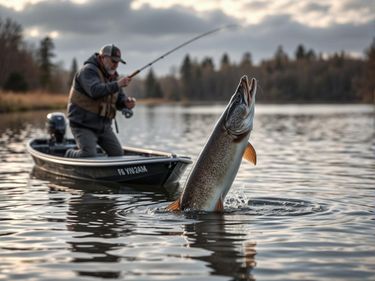
The Ultimate Guide to April Pike Fishing
Have you ever wondered when is the best time to catch pike? Is April really the prime month for landing that monster catch? If you’re an angler eager to hook into a big pike, the answer lies in the early spring—specifically, in the month of April. As the ice melts and the waters begin to warm, pike become incredibly active, making April a fantastic time to target this powerful species. In this comprehensive guide, we’ll dive into the reasons why April is perfect for pike fishing, the essential gear you’ll need, the best locations, and effective techniques that will increase your chances of success.
Why April is a Prime Time for Pike Fishing
Pike are cold-water fish, and their behavior is heavily influenced by seasonal changes. In April, as temperatures start to rise and the ice begins to thaw, pike become more active. Here is why April is a prime time for pike fishing:
- Increased Activity: As the water temperature warms to around 40°F to 50°F (4°C to 10°C), pike are no longer sluggish. This is when they start to feed aggressively to prepare for spawning.
- Pre-Spawn Feeding Frenzy: In April, pike move towards shallow waters to spawn. During pre-spawn, pike can double their food intake, chasing anything that moves—perfect for anglers with the right bait. This is your chance to catch them while they’re hungry and active. In Minnesota’s Lake Mille Lacs, anglers report April hauls triple their winter catches.
- Shallow Waters: Pike prefer shallow waters during this time, especially in bays, weed beds, and areas near drop-offs. The warmer, sunlit waters are perfect for pike to chase prey.
Overall, April offers a combination of favorable weather conditions and pike behavior that makes it one of the best times to fish for pike.
Essential Gear for April Pike Fishing
Before you hit the water in April, having the right gear is key to landing those hard-fighting pike. Pike are powerful predators with sharp teeth and explosive runs, so your equipment needs to be up to the task. Below is a breakdown of the essentials you’ll need for a successful outing.
Fishing Rods
A medium-heavy rod is your best bet for pike fishing in April. Look for a 7-9 foot rod with fast action and a strong backbone to handle pike’s aggressive strikes and thrashing. It should be rated for 20-50 lb. test line to match the heavier lines needed for these toothy fish. This length and strength combo lets you cast long distances into shallow spawning areas and wrestle big pike without risking a snapped rod.
Recommendation: A 7’6” medium-heavy casting rod rated for 20-50 lb. line is ideal for most April conditions.
Reels and Line
Pair your rod with a sturdy reel built for quick retrieves and heavy loads. A spinning reel (size 3000-4000) works well for beginners and versatility, while a baitcasting reel is perfect for experienced anglers targeting larger lures or precise casts.
For line, braided line is the top choice for pike fishing due to its strength, sensitivity, and durability against pike’s sharp teeth. Opt for 30-50 lb. test braided line to handle their powerful runs and prevent bite-offs. Add a 12-18 inch fluorocarbon leader (20-40 lb. test) to reduce visibility in clear April waters and protect against tooth damage.
Recommendation: A 4000-series spinning reel with 40 lb. braided line and a 30 lb. fluorocarbon leader strikes the perfect balance.
Bait Selection
Pike are opportunistic feeders, especially in April’s pre-spawn frenzy, so your bait needs to grab their attention. Here are two effective options:
Soft Plastic Bait
Soft plastics like swimbaits, jerkbaits, and paddle tails mimic the small fish pike hunt in shallow waters. A 4-6 inch swimbait in natural colors (e.g., perch or shad patterns) excels in weedy bays. Rig them weedless to avoid snags, and use a slow, twitching retrieve to trigger strikes.
Top Pick: A 5” soft plastic swimbait on a 4/0 offset hook.
Live Bait Options
Nothing beats live bait for tempting hungry pike. Large minnows, chubs, or shiners (4-6 inches) are prime choices—hook them through the lips or back on a float rig or Carolina rig to keep them lively. Pike can’t resist the natural struggle of live prey in April’s warming waters.
Top Pick: 5” golden shiners under a bobber near weed edges.
Additional Smart Fishing Gear for Catching More Pike
Beyond the basics, these tools can boost your efficiency and success rate:
- Strong Landing Net: A rubber-coated net with a wide hoop (at least 24 inches) safely lands big pike without damaging their slime coat or tangling hooks.
- Fishing Pliers: Long-nose pliers (8-10 inches) are essential for unhooking pike safely—keeping your fingers clear of their razor-sharp teeth.
- Fish Finder: In deeper lakes or murky runoff, a portable underwater fishing camera unit pinpoints pike hiding near drop-offs or structure, saving you casting time.
- Polarized Sunglasses: Cut through surface glare to spot pike lurking in shallow weed beds or near logs, especially on sunny April days.
Top Locations for April Pike Fishing
Knowing where to cast your line is just as critical as the gear you bring. In April, pike migrate to shallow, warming waters to spawn and feed, making certain lakes and rivers prime hotspots. Below are some of the best locations in North America and Europe for April pike fishing, plus tips for finding local gems near you.
Recommended Fishing Locations in North America
- Lake of the Woods, Ontario, Canada: This massive lake straddling the U.S.-Canada border is a pike paradise in April. Its shallow, weed-choked bays—like Zippel Bay and Four Mile Bay—teem with pre-spawn pike chasing baitfish. Expect fish in the 30-40 inch range as waters hit 40°F-50°F.
- Rainy Lake, Minnesota, USA: Just south of the Canadian border, Rainy Lake’s northern inlets and grassy shorelines burst with pike activity in early spring. Target Black Bay or the Rainy River mouth, where warming currents draw hungry pike to ambush prey.
- Mille Lacs Lake, Minnesota, USA: Known for trophy pike, Mille Lacs shines in April as pike stage in shallow coves like Wealthwood or Isle Bay. Weed beds and rocky drop-offs near the shore make it a casting dream for big catches.
- Lake Winnebago, Wisconsin, USA: This sprawling lake’s western shore and the Fox River inlet come alive with pike in April. Focus on marshy edges and submerged vegetation where pike hunt in water as shallow as 2-5 feet.
Recommended Fishing Locations in Europe
- Lake Vänern, Sweden: One of Europe’s largest lakes, Vänern is a northern pike stronghold. In April, head to the archipelago near Lidköping or the shallow bays around Torsö Island—pike here can top 40 inches as they fatten up post-winter.
- Lake Mälaren, Sweden: Just west of Stockholm, Mälaren’s sheltered bays and reed-lined shores are pike magnets in spring. Try the waters near Ekerö or the Blacken area, where warming shallows draw spawning fish.
- Lough Derg, Ireland: This River Shannon gem in western Ireland offers prime pike fishing in April. Target the shallow weed beds near Portumna or the bays around Dromineer—perfect for casting as pike prowl for prey.
- River Thames, England, UK: While not a lake, the Thames’ slower stretches—like those near Oxford or Lechlade—host solid pike populations. In April, fish the backwaters and weed-heavy channels where pike stage before spawning.
Local Suggestions
No matter where you live, prime April pike spots are often closer than you think. Scout local lakes or rivers with a history of pike—look for shallow bays, weed beds, or river mouths warming under spring sun. Check with nearby tackle shops, fishing forums, or your state/provincial fish and wildlife agency for hot tips. For CanFish readers, we’d love to hear your favorite local haunts—drop them in the comments below!
Successful Techniques for April Pike Fishing
April requires a bit of strategy to catch pike effectively. Here are some of the most successful fishing techniques:
Casting Techniques
Casting with lures like crankbaits and jerkbaits is very effective during April. Try casting near structures like fallen trees, rocks, or weed beds. Focus on slow and steady retrieves to mimic the movement of prey.
Trolling Strategies
If you're fishing in larger bodies of water, trolling can be an excellent way to cover more ground. Use deep-diving crankbaits or spinnerbaits and troll at a slow pace to attract pike lurking in deeper waters.
Ice Fishing Methods for Late Season
In northern regions like Manitoba, where ice lingers into April, tip-ups with dead bait shine—check local ice conditions first. Use tip-ups with live bait like minnows or larger dead fish. Make sure to drill several holes and watch for activity on your ice fishing sonar.
Fishing Tips for Catching Walleyes Alongside Pike
If you’re also interested in catching walleyes, April is a great month to target both species. Pike and walleyes often inhabit similar habitats, especially in shallow, weedy areas. Use larger soft plastics or minnows to attract both species. Look for areas where river systems meet lakes, as these regions tend to hold both pike and walleye during their spawning seasons.
Safety Precautions for April Pike Fishing
Fishing for pike in April is thrilling, but the combination of unpredictable spring weather, cold water, and the fish’s toothy nature demands extra caution. Whether you’re wading into shallow bays or casting from a boat, these specific safety tips will keep you safe and focused on the catch.
- Wear a Life Jacket—Every Time: April waters are often cold and swollen from snowmelt or rain, raising the risk of hypothermia or strong currents. Wear a snug-fitting, Coast Guard-approved personal flotation device (PFD), even in shallow areas or small boats. For waders, a PFD with a quick-release belt prevents sinking if you slip into deeper water.
- Check Weather Forecasts Hourly: Spring weather can flip fast—calm mornings may turn into windy, rainy afternoons. Before heading out, use a weather app (e.g., AccuWeather) to track temperature drops, wind gusts over 15 mph, or sudden storms. Postpone your trip if lightning or heavy rain is forecast—pike aren’t worth the risk.
Tip: Pack a waterproof jacket and extra layers for unexpected chills.
- Test Ice and Shore Stability: In northern regions where ice lingers into April (e.g., Manitoba or northern Minnesota), avoid fishing from late-season ice unless it’s at least 4 inches thick and clear—not cloudy or slushy. On thawing shorelines, watch for soft, muddy banks that can collapse underfoot, especially near swollen rivers.
Precaution: Carry a spud bar to probe ice or a walking stick to test ground firmness.
- Handle Pike with Care: Pike’s sharp teeth and gill plates can slice skin in an instant. Use 8-10 inch long-nose pliers to remove hooks, keeping fingers clear of their jaws. For bigger fish (30+ inches), support their body horizontally with a gloved hand under the belly—never lift by the gills—to avoid spine injuries to the fish or cuts to yourself.
Tool Tip: A jaw spreader can hold their mouth open safely while unhooking.
- Protect Against Cold Water Exposure: Even if air temps climb to 50°F, April water often hovers near 40°F—cold enough for hypothermia in minutes. Wear neoprene waders or waterproof boots, and keep a dry change of clothes in a sealed bag. If you fall in, get warm immediately: a thermos of hot coffee or a portable hand warmer can be a lifesaver.
Emergency Prep: Stash a Mylar thermal blanket in your tackle box.
- Fish with a Buddy When Possible: Solo trips are fine, but April’s remote spots and cold conditions make a partner a smart safety net. Tell someone your plans—where you’re fishing (e.g., Rainy Lake’s Black Bay) and when you’ll return—so help can find you if needed. A fully charged phone in a waterproof case ensures you can call for assistance.
Monitoring Weather and Water Conditions to Maximize Your Catch
Pike fishing in April can be heavily influenced by the weather. Here’s what to keep an eye on:
- Water Temperature: As mentioned, pike are most active when water temperatures range from 40°F to 50°F (4°C to 10°C).
- Weather Patterns: Sunny days can draw pike into shallower waters, while overcast days often make them more aggressive.
- Wind: Light winds can stir up the water, making pike more active and willing to bite.
Conclusion
April is truly one of the best months for pike fishing, with ideal conditions for landing big catches. By using the right gear, choosing the best locations, and employing successful techniques, you can maximize your chances of success. Remember to stay safe, respect local fishing regulations, and monitor the weather to ensure you’re always fishing under optimal conditions. Get ready for an exciting April fishing season and enjoy the thrill of catching pike!
Now it’s your turn—grab your gear and hit the water this April! We’d love to hear about your pike adventures. Share your trophy photos, hot spots, or best tips with us now!